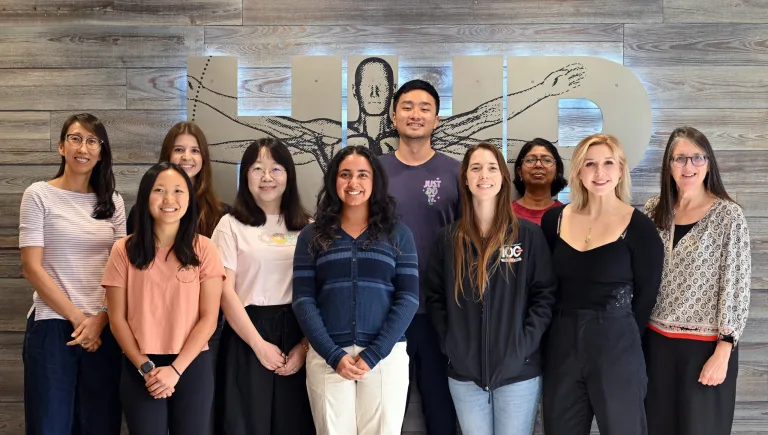
Store-operated calcium entry modulation as a potential therapeutic for LGMD2A/R1
Dr. Elisabeth Barton & Dr. Lan Wei-LaPierre | University of Florida
Recently, Dr. Barton, Dr. Wei-LaPierre, and colleagues found that store-operated calcium entry (SOCE), a process that brings calcium into muscle cells when they need it for generated force, is abnormally high in a mouse model of LGMD2A/R1. This project aims to test SOCE normalization as a potential therapeutic target by evaluating inhibitors that reduce SOCE activity. This project is co-funded with the Muscular Dystrophy Association.
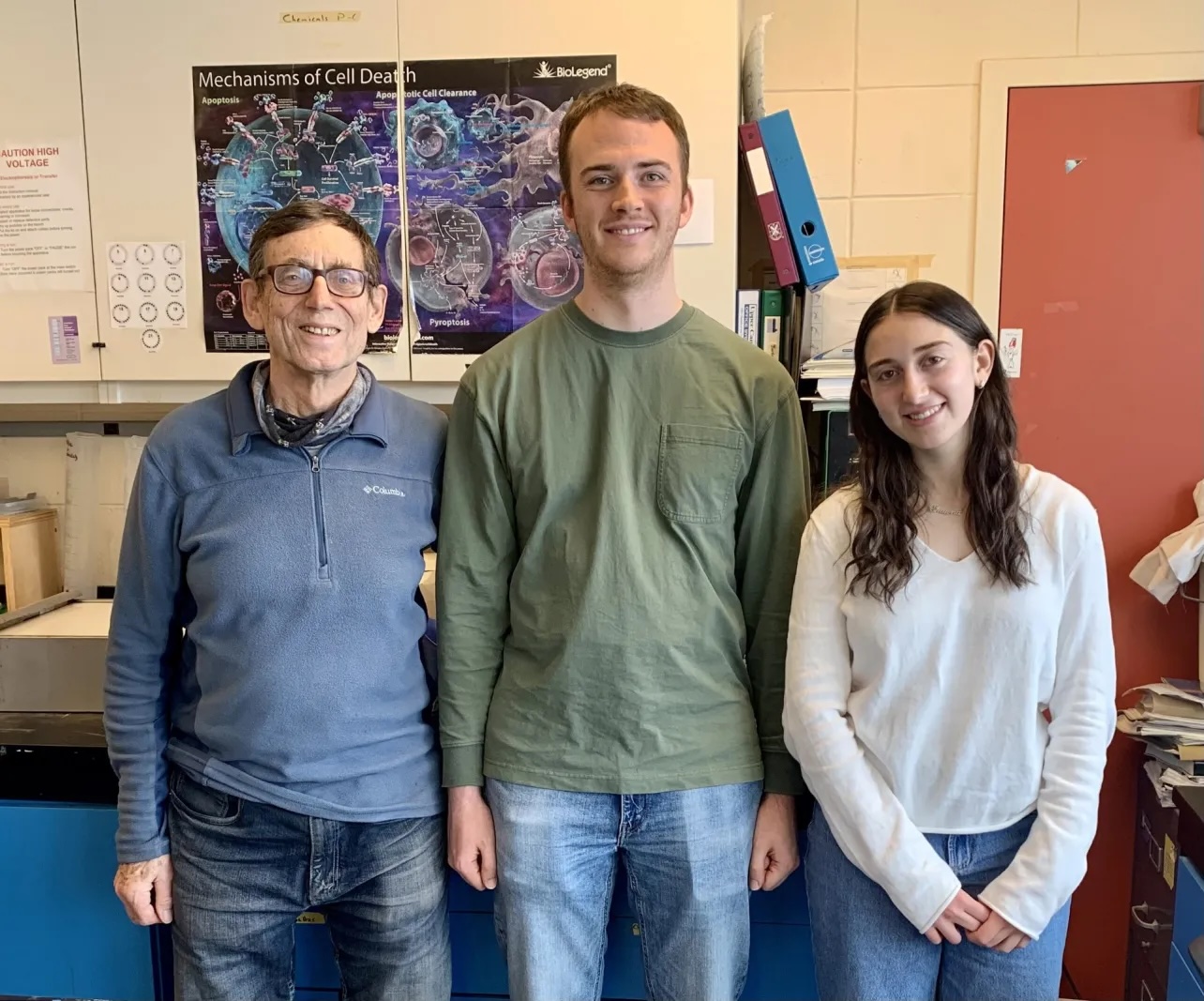
Solving the structure of Calpain 3 and assessing the impact of LGMD2A/R1
Dr. Peter Davies | Queen’s University
This project aims to determine the three-dimensional structure of the Calpain 3 enzyme. Further, the researchers will investigate how LGMD2A/R1-causing variants impact structure, including the interaction between Calpain 3 and the muscle protein titin. These studies can be used to guide the development of future drugs and genetic therapies.
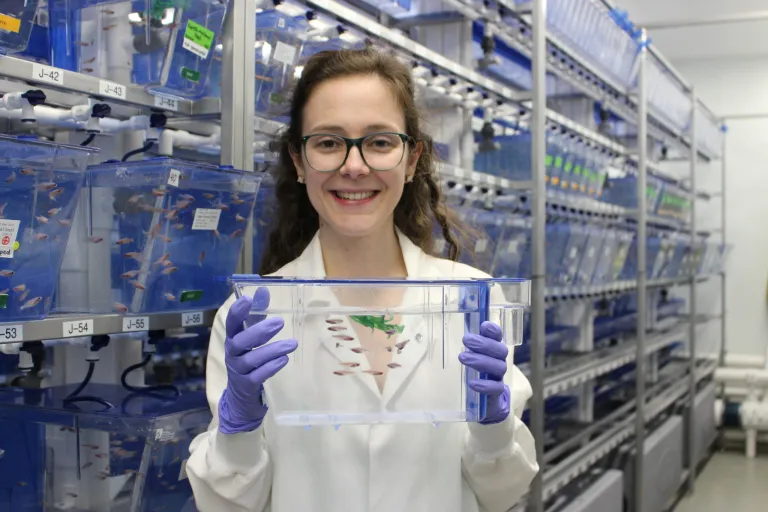
Drug screening in CAPN3b-deficient zebrafish
Dr. Pia Elustondo | AGADA Biosciences
Preclinical drug screening is one of the critical initial steps to develop new treatments for rare diseases such as LGMD2A/R1. Several mouse models have been developed to-date. However, the mouse models do not show muscle symptoms until they are older, their symptoms are very mild, and they are slow to reproduce. This makes it difficult for researchers to use mice for drug testing. This research project will use zebrafish as an animal model to test and find new candidate drugs that will potentially improve LGMD2A/R1 disease symptoms. The investigators have generated three unique zebrafish lines that have disrupted calpain 3. They plan to characterize these lines to determine if they have a muscle phenotype, and to use them to screen drugs that have the potential to treat this disease.
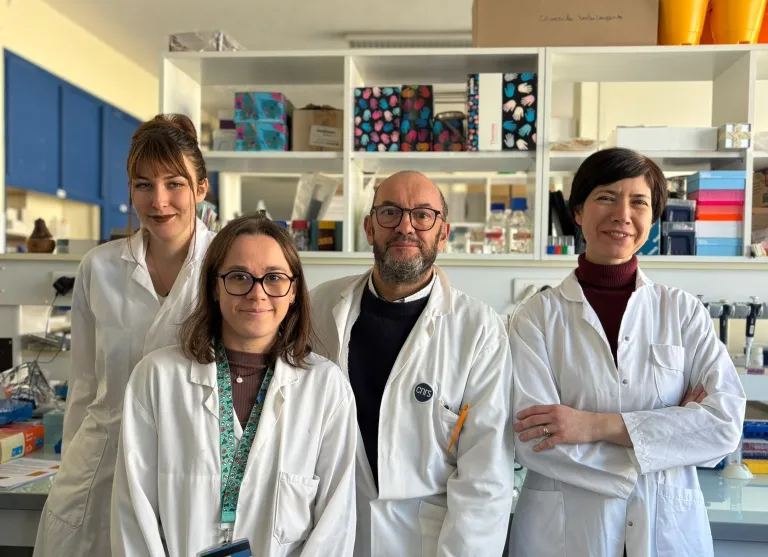
Optimizing the functional assay to identify novel CAPN3 variants responsible for the dominant form of calpainopathy
Dr. Svetlana Gorokhova & Dr. Marc Bartoli | Aix Marseille University
Since calpainopathy can be inherited in both recessive and dominant ways, it can be challenging to diagnose an individual with limb-girdle weakness who has only one CAPN3 variant identified: should one continue searching for a second variant or conclude that this patient has the dominant form of the disease? Dr. Gorokhova and her colleagues aim to optimize a diagnostic functional assay to distinguish between variants that can be found in both recessive and dominant cases, or only in recessive cases.
Comparative proteomics of LGMD2A/R1 and Becker muscular dystrophy to develop serum protein biomarkers and predict drug responsiveness in LGMD2A/R1
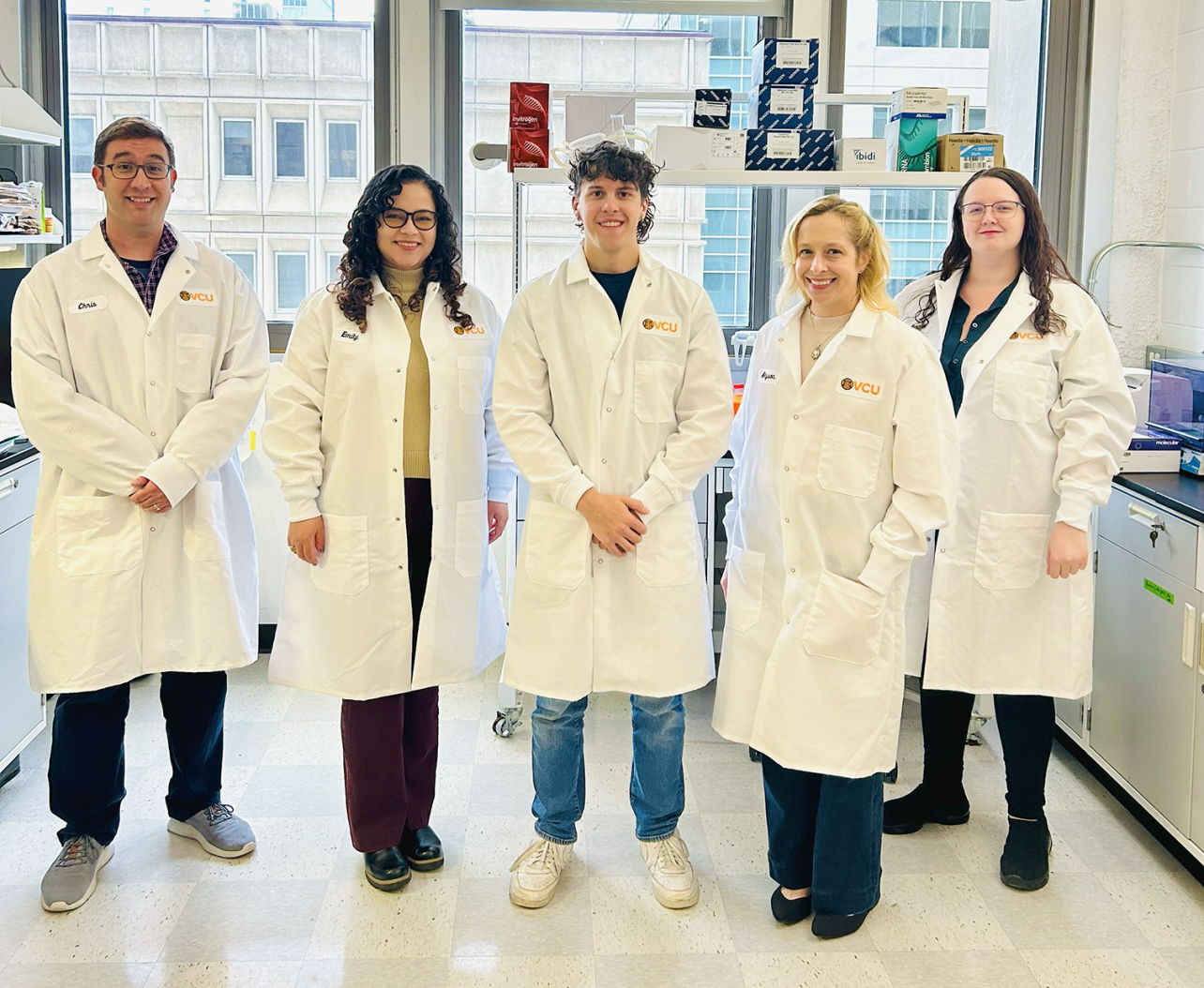
Dr. Christopher Heier | Virginia Commonwealth University
Dr. Utkarsh Dang | Carleton University
Circulating biomarkers are signals found in bodily fluids that may allow researchers to detect whether a therapy is working much earlier than traditional clinical outcome measures. This project utilizes proteomics to measure the levels of proteins in serum samples from LGMD2A/R1 patients and identify those which may be useful biomarkers. Results from LGMD2A/R1 samples will be compared to samples from individuals living with Becker muscular dystrophy, allowing researchers to understand which biomarker signatures are specific to Calpain 3 deficiency.
Defining clinical endpoints in LGMD
Dr. Nicholas Johnson | Virginia Commonwealth University
This observational study will follow LGMD2A/R1 patients over a period of 12 months to establish clinical outcomes assessments that are sensitive to normal disease progression. These assessments may be used in future clinical trials as tools to determine if investigational drugs are effective.
Development of optimized transgenes and capsids for treating LGMD2A/R1
Dr. Melissa Spencer | University of California Los Angeles
This research aims to optimize transgenes and viral capsids for gene therapy targeting CAPN3 mutations, the underlying genetic cause of LGMD2A/R1. By enhancing the delivery and functionality of these therapeutic components, this project holds significant promise for creating more effective treatment options for individuals living with LGMD2A/R1. This project is co-funded with the Muscular Dystrophy Association.
Understanding the variable expression of dominant calpainopathies
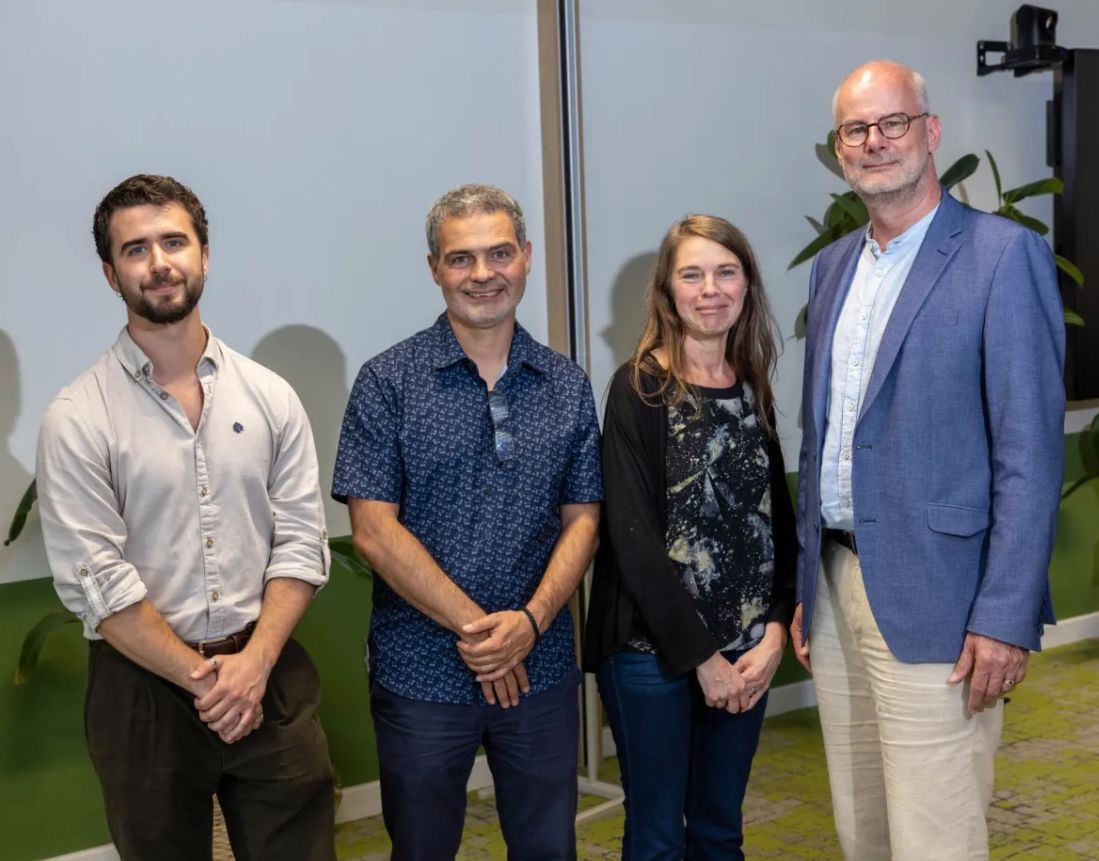
Dr. Ana Töpf, Dr. Jordi Díaz-Manera, and Dr. Volker Straub | John Walton Muscular Dystrophy Research Centre at Newcastle University
This project explores the molecular basis for LGMDD4 (also known as dominantly inherited calpainopathy). The researchers, in collaboration with a multinational group of experts, will collect information from published literature, patient registries, and genomic datasets to characterize individuals carrying dominant CAPN3 variants.
Participants in the study will undergo a clinical evaluation and lower limb MRI evaluation to fully characterize the effects of carrying the dominant variant. Additionally, the group will apply a multi-omics approach to look for a possible underlying genetic mechanism to explain why dominant CAPN3 variants do not always lead to symptoms.