Drug development for rare diseases is a long and expensive process. It can take a decade or longer and cost millions of dollars, and many candidate drugs fail along the way.
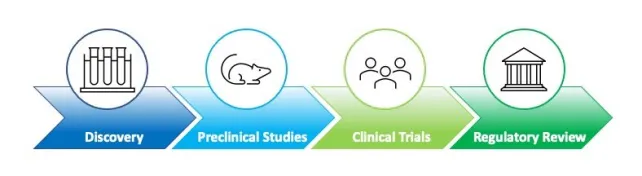
Drug development usually begins in the laboratory, where researchers seek to gain new insights into a disease process. With a good understanding of the disease, researchers can then try to develop compounds that target the effects of the disease. Sometimes, drugs that have been developed for one disease may hold promise for treating other diseases.
Researchers test promising compounds to find a dose that is safe and effective. These studies are usually done in animal models of the disease.
Clinical trials test the drug in humans. Phase 1 trials are small and aim to determine how well the drug is tolerated. Phase 2 trials test the drug in a larger group of people to see if it is effective. Phase 3 trials test an even larger group of people to confirm the safety and efficacy of the new drug. For rare diseases, these phases can sometimes be combined.
If the clinical trials are successful, then the drug can be submitted to a regulatory agency, such as the U.S. Food and Drug Administration (FDA) or the European Medicines Agency (EMA), for approval. The regulatory agency will review all the trial data when deciding if it should be approved for marketing. If approved, the regulatory agency will require the drug manufacturer to continue to monitor safety of the new drug.
How We Accelerate Development
For the last decade, C3 has been the U.S.-based nonprofit leader of funding for LGMD2A research. Learn how we work to accelerate drug development and increase the likelihood of an approved treatment.