Learn more about calpainopathy through the stories of individuals living with LGMD2A/R1 and LGMDD4. We’d like to send a big THANK YOU to everyone who shared their photos and perspectives with the C3 community!
If you or a loved one is living with this rare disease, we invite you to join our patient registry and share your own story with our community.
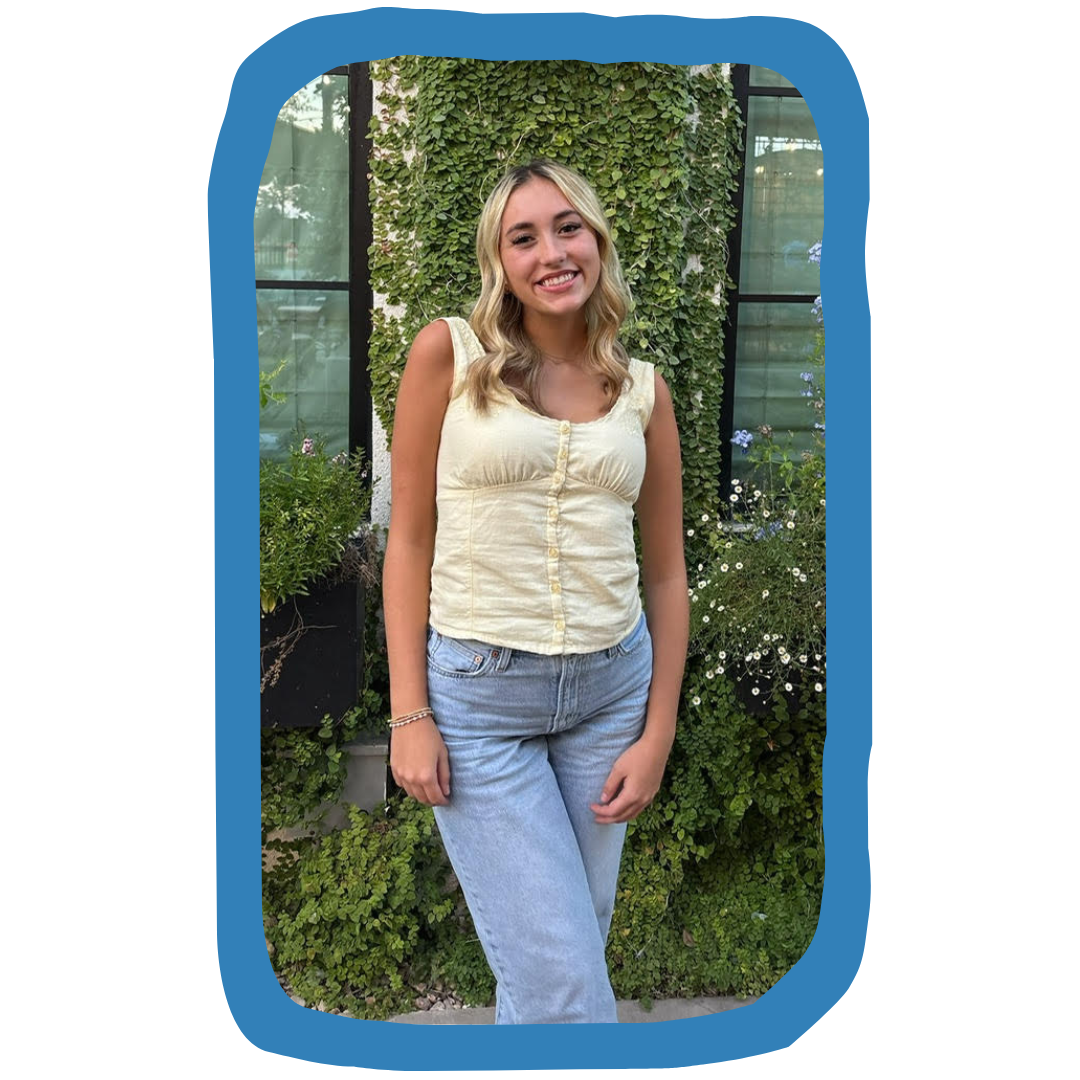
Hi, my name is Brooklyn, and I am 18 years old living with Limb-Girdle Muscular Dystrophy 2A/R1. I first showed signs when I was young, like struggling with stairs, moving slower than others my age, and falling often.
I was diagnosed at age 9, and over time the weakness and contractures in my legs have made daily life more challenging. In 2020 I had double heel lengthening surgery, which helped me keep walking. I have also taken part in several research studies and trials because I want to help move us closer to a cure.
Living with LGMD affects many parts of my day, from needing help with basic tasks to using a wheelchair or scooter for longer distances. A cure or even a treatment that slows the progression would mean everything. I continue to believe there is hope for a better future.
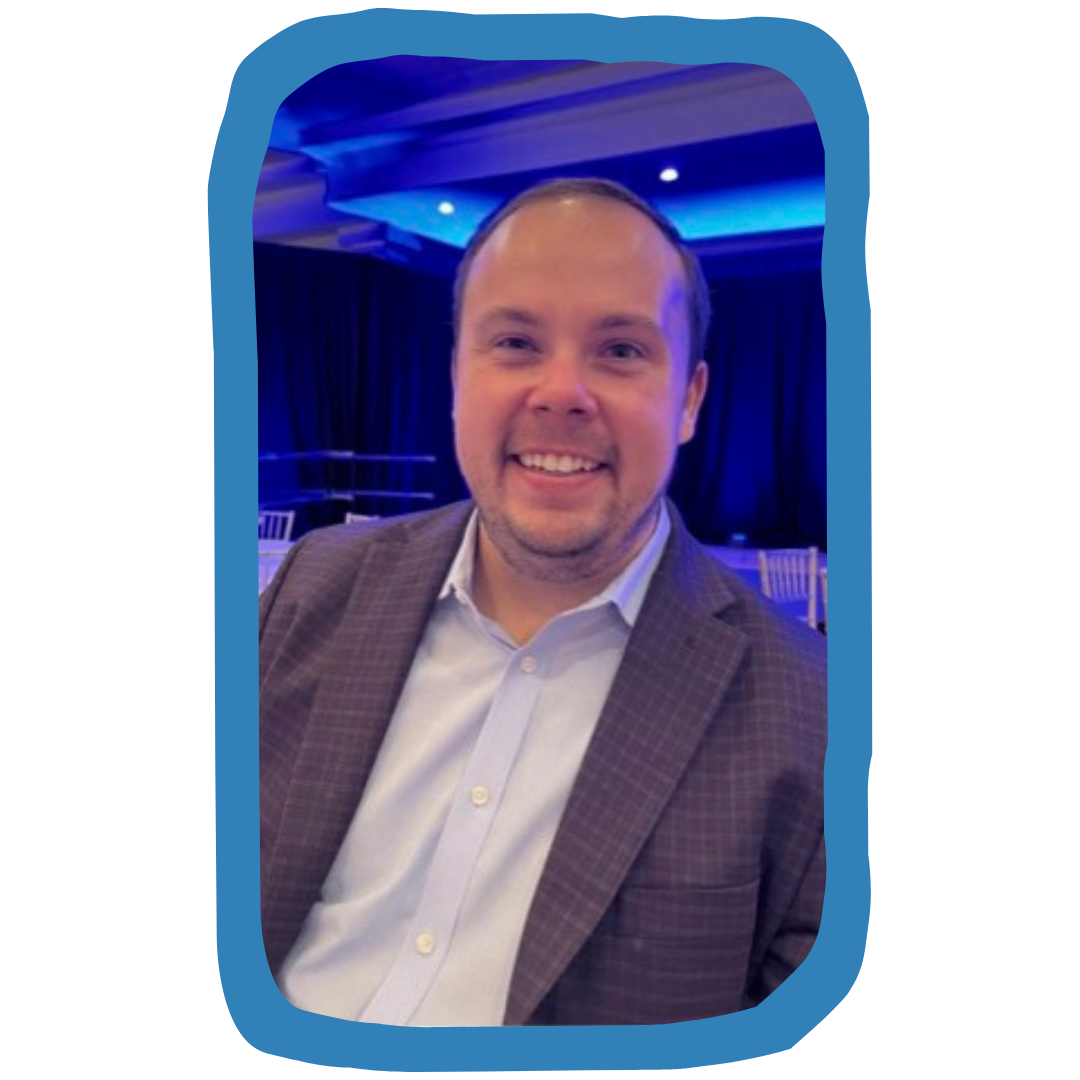
Greetings! My name is Matt and it has been nearly a decade since receiving my LGMD2A/R1 diagnosis at the age of 24.
The journey has been full of highs and lows. This disease is taking much of my physical strength but I take the lead from Coalition to Cure Calpain 3’s mission to overcome weakness with strength. I support C3 because I am one of many individuals with LGDM2A/R1 who will greatly benefit from finding treatments or a cure for this degenerative muscle disease.
Now at the age of 33, my walks have become shorter, my legs tire more easily, and I am hyper aware of my surroundings in order to avoid falls.
I call ahead to restaurants to ensure accessibility, I inquire about how many steps it takes to enter a friend’s home, and I constantly rely on elevators to access public transportation and my apartment. It is hard to find the right balance of staying active while preserving my muscles.
Knowing when to sit out of activities and when to push myself is a never ending battle with the finish line moving further away from me each year. It is a constant practice of learning to accept that this disease will only get worse unless there is scientific research that can provide intervention.
To cope with this disease emotionally, I have journaled my feelings of grief, found comfort in literature and the disability community, and am constantly trying to focus on the things I can control. Through these struggles, LGMDA2A/R1 has deepened my well of resilience and mental fortitude. This loss forces me to constantly pivot and adapt to my surroundings and my ability. I am adapting my dreams, wishes, and goals to create a revised version of what my life will be.
Right now – my life is very full! I work as a Project Manager at a social sector consulting firm, recently earned my Master’s Degree in Business Analytics, and get to spend time with my wonderful community of friends and family in Chicago. I am taking the good with the bad.
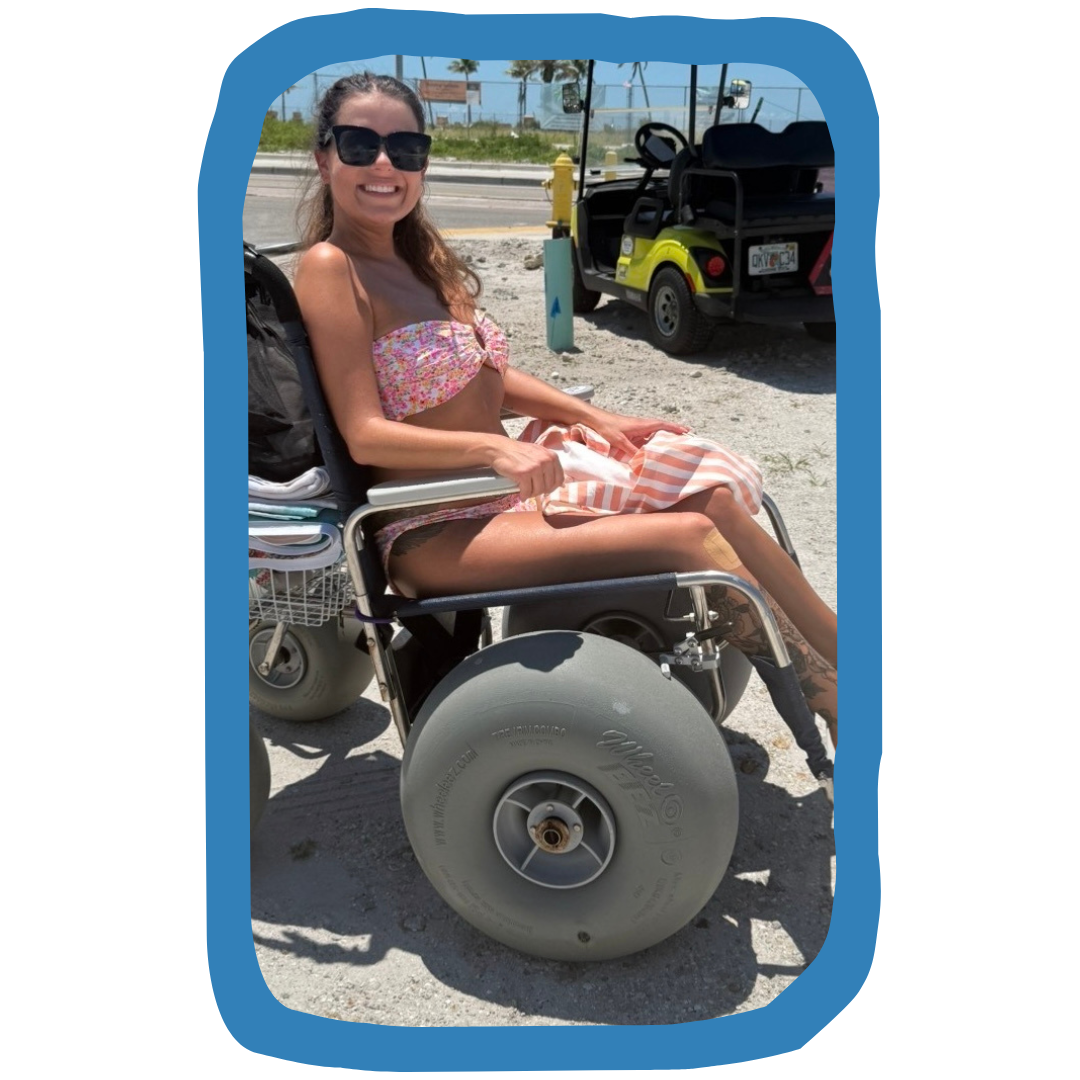
Hi, I’m Courtney. I’m 28 and I’ve lived with LGMD2A/R1 (Calpainopathy) for 18 years. This disease has been a constant part of my life, shaping my choices, my routines, and the quiet battles I fight every day. But it has also taught me resilience, creativity, and how to keep finding happiness in the middle of all the uncertainty.
One of the most meaningful shifts for me has been embracing my wheelchair more often. It wasn’t an easy step, and there are emotions that come with it that people don’t always see.
But once I let myself lean into it, it changed everything. I feel safer, freer, and more me than I have in years. I can stay out longer, be present, and say “yes” to life instead of holding back.
A cure would mean relief from the worry, the pain, and the invisible weight this disease puts on every part of my day. Until then, sharing my story is my way of letting others know they’re not alone. I want to show that even with all of the losses, there is still so much strength and hope to hold onto.
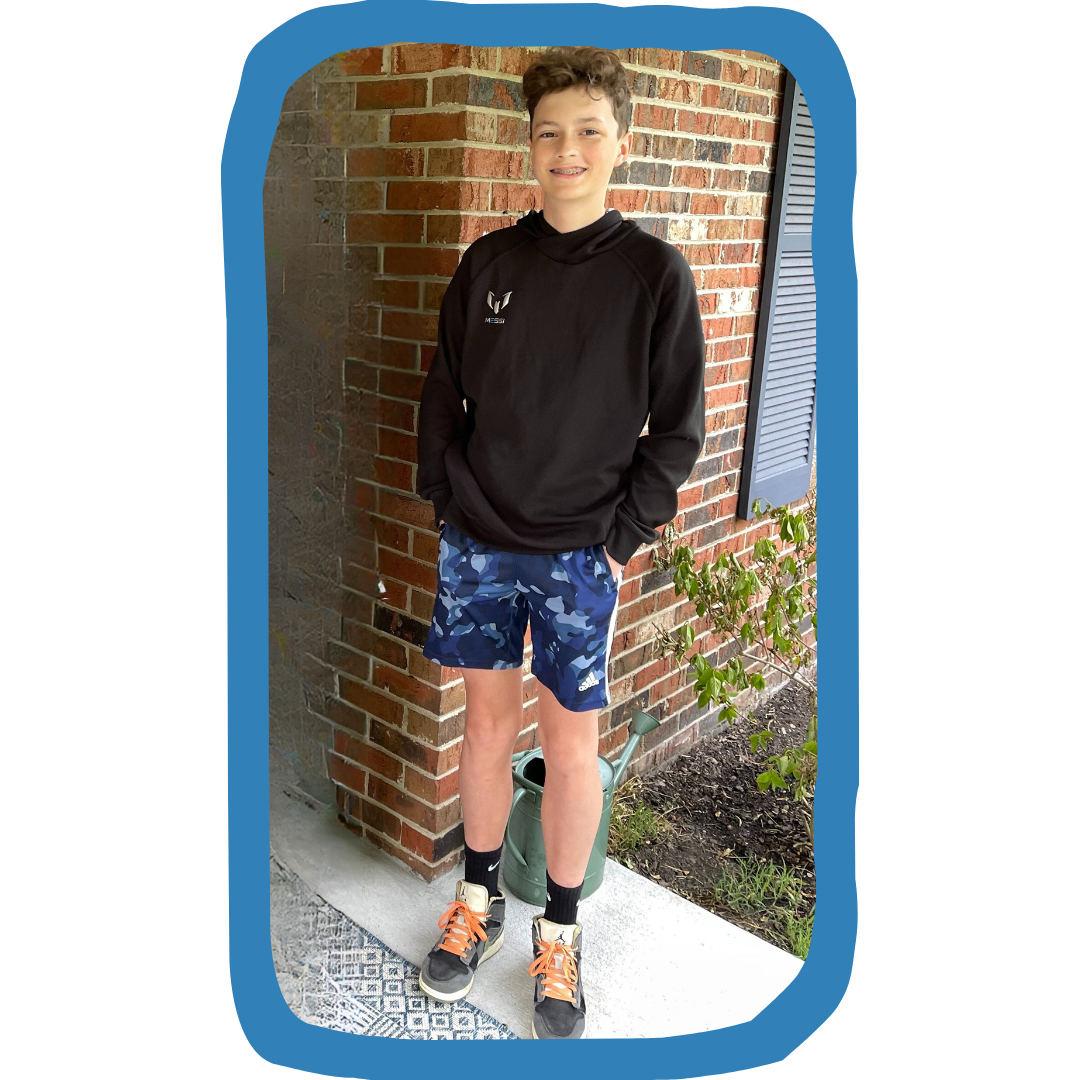
Hi, I’m Rexton and I have LGMD2A/R1. I was six years old when I was diagnosed. My symptoms mostly affect the muscles in my legs, arms, and back.
I get tired more easily than other kids, and things like climbing stairs can be surprisingly hard. Because of that, playing sports at school can be a challenge, and sometimes it’s tough feeling like I don’t fit in with other kids who play sports all the time.
Even with these challenges, I love staying connected to the things and people that make me happy. I enjoy playing video games, hanging out with my friends, Boy Scouts, and watching college football with my dad — it’s one of my favorite things to do.
A cure would mean the entire world to me. If there were a treatment that could reverse the condition or even just stop it from getting worse, I would be forever grateful. And if only one person in my family could receive that cure, I would want it to go to my brother, Walker. If a cure ever becomes real, I know I would cry with happiness.
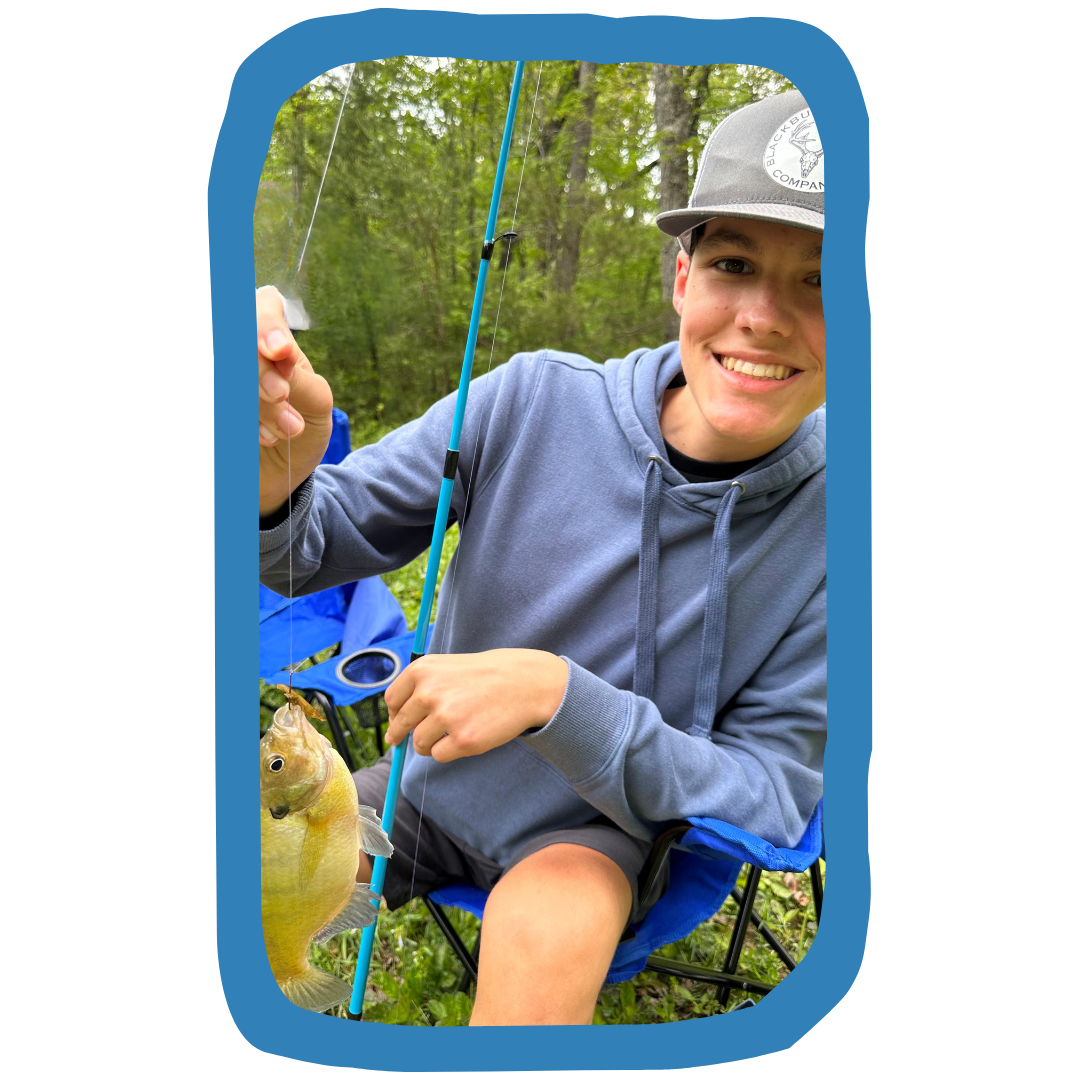
Hi, I’m Walker and I have LGMD2A/R1. I was diagnosed a couple months before my 10th birthday. My symptoms affect the muscles in my back, legs, and arms.
My back sways creating balance and walking problems for me, and I don’t have the strength to climb stairs or walk very far. I ride my scooter at school to get around. Getting out of bed, standing up from the couch, or even getting off the toilet can take a lot of effort. Tasks that most people don’t think twice about are things I have to plan around every day.
These challenges can make it hard to do everything my friends do, and sometimes that’s really frustrating. But I still try to focus on the things I enjoy most — playing video games, singing in the school chorus, and hunting. Those are the moments when I feel the most like myself.
A cure would mean everything to me. It would give me the chance to be more independent and take care of myself without needing so much help. Being able to move through the world more freely and confidently would change my entire life.
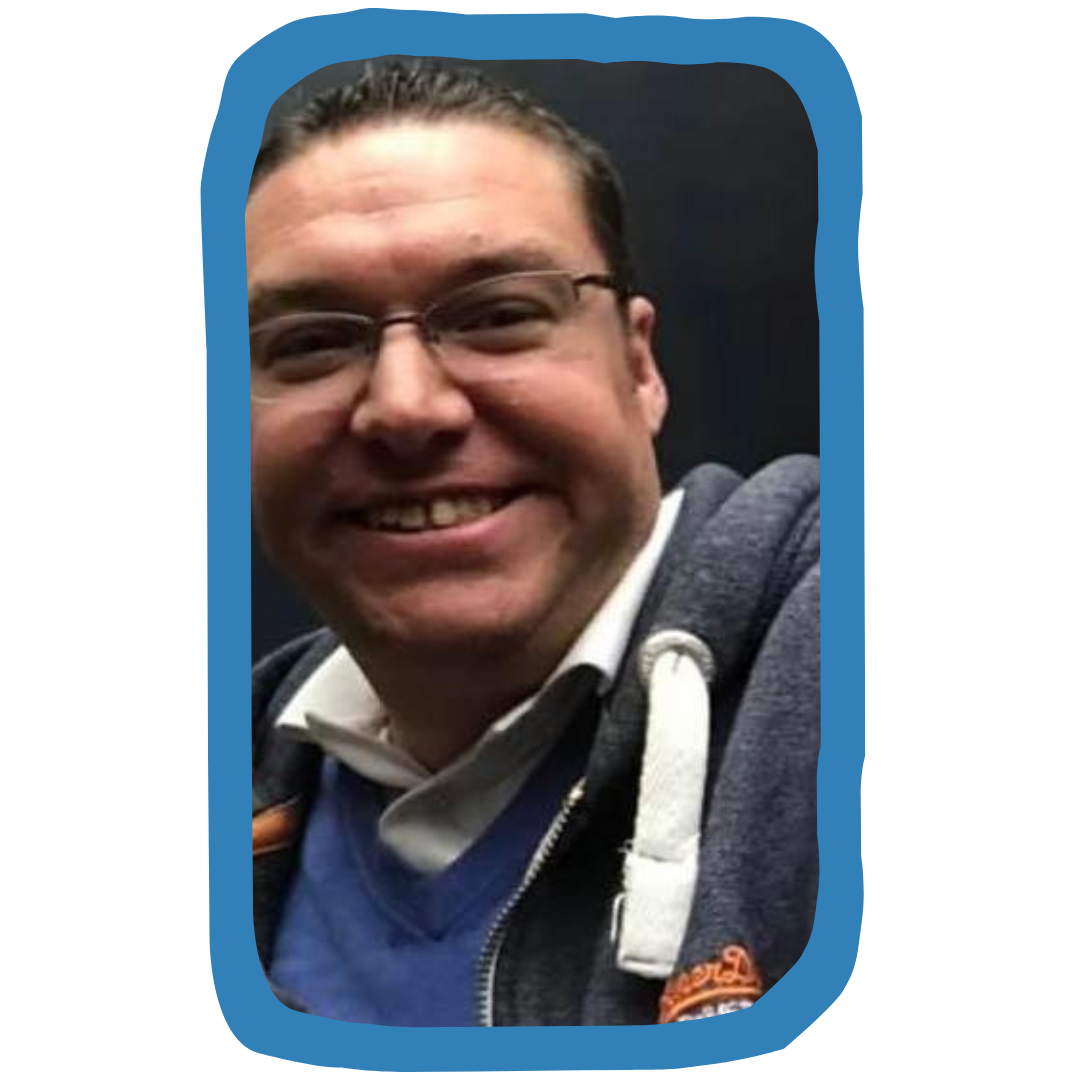
Hi, I’m Andy. I was diagnosed with LGMDR1 at 18 (I’m now 45). For years I could think of nothing but a cure for this relentless disease.
I hoped and prayed I would be saved from the loss of my mobility, and in 2006 my dreams came through: I was one of 13 people worldwide to be part of the first multi-site trial for adult-onset muscular dystrophies. Sadly the trial didn’t work and a few years later I needed a power wheelchair to get around.
I like to think I don’t let the disease stop me from enjoying life. I hold a Masters, a PhD degree, have run multiple businesses and charities, have an amazing son (now 12) and a partner I am thankful for every day.
Life is not easy with this disease and I haven’t lost hope of a treatment or cure one day in my lifetime. I truly believe organizations like C3 will be what gets the breakthrough we all dream of and one day we’ll have some kind of treatment.
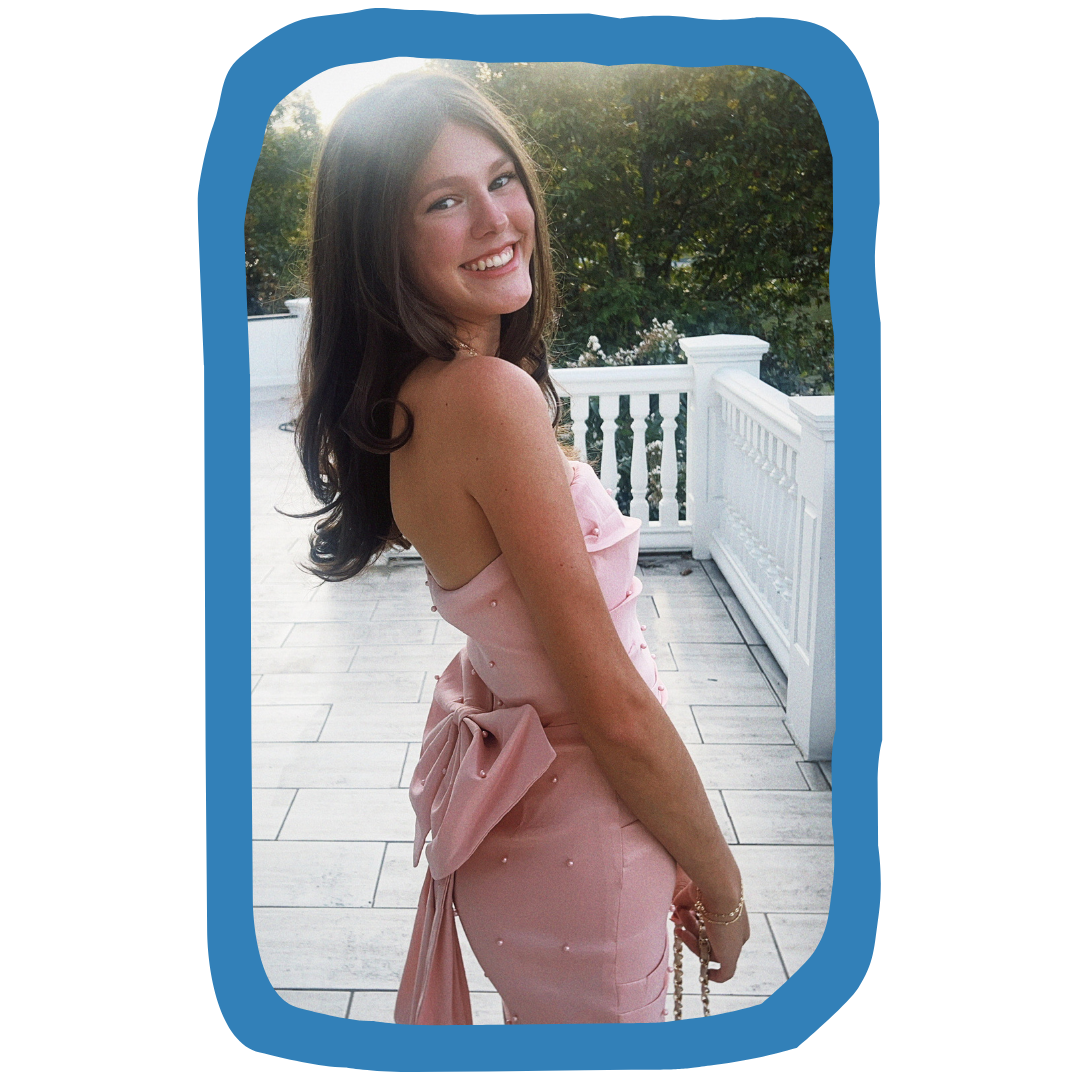
Hi, I’m Reagan and I have LGMD2A/R1. I was nine years old when I was diagnosed. When I was younger, I was a toe-walker, and I had to have two surgeries — one at age 10 and another at 11 — to lengthen my Achilles tendons. These surgeries helped, but LGMD still affects my daily strength and balance.
Because of my condition, there are things I used to love doing that I can’t do anymore, like ballet. I also struggle with tasks that require upper-body strength, like combing my own hair. Those moments can be frustrating, but I try to focus on the things that bring me joy. I love theater and performance, reading, and language — anything that lets me express myself creatively.
A cure would mean being able to keep my strength and independence in the future. It would mean not having to worry about losing abilities as I get older, and knowing that nobody would need to take care of me. Being able to rely on my own body would change everything.
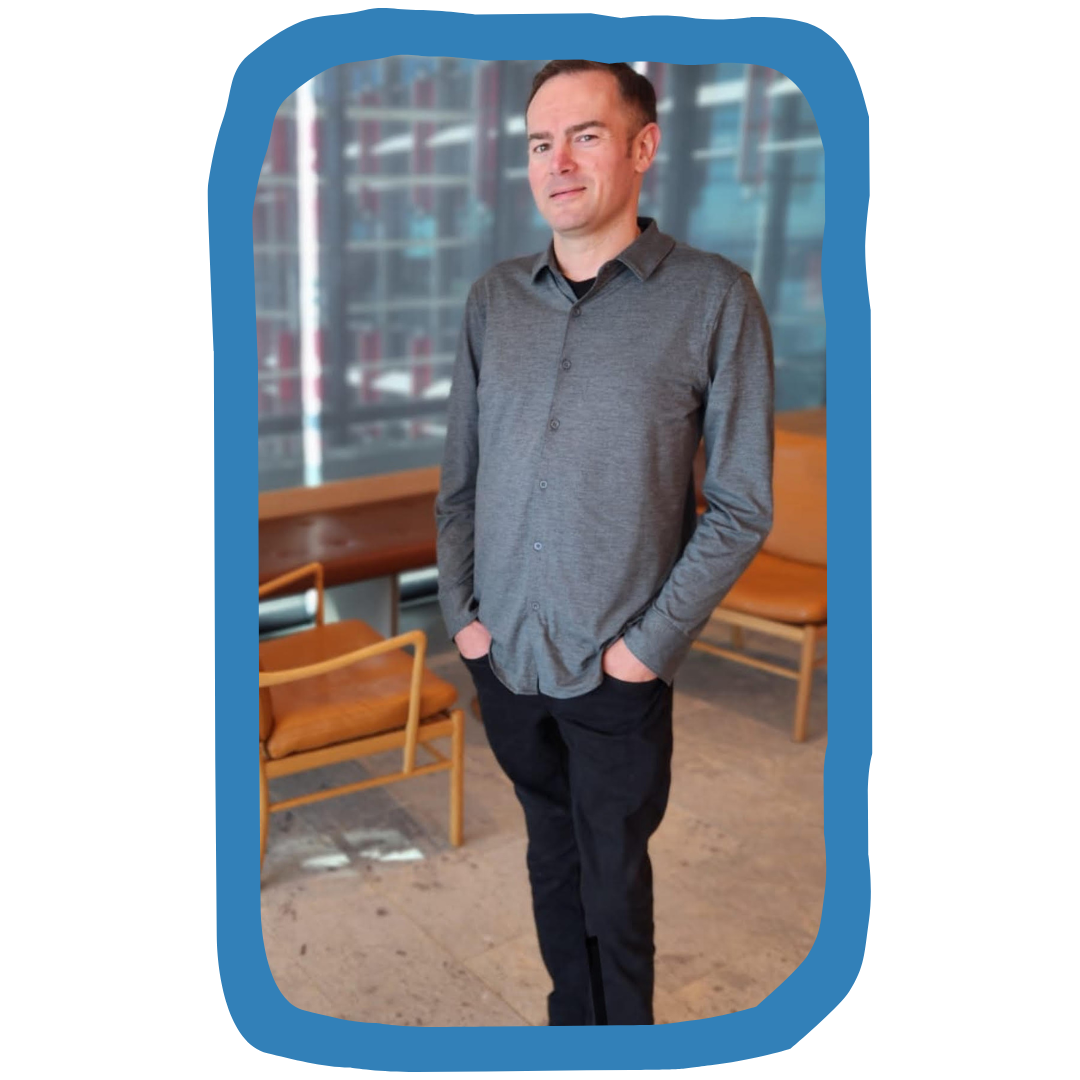
Hello, my name is Daniel. I have LGMD2A/R1. I was diagnosed at the age of 17 years and I am now 41 years old. I have slowly been losing my physical abilities.
I am a Jeweller by trade and have been working in this industry for over 22 years. Due to my declining strength I am unable to walk up stairs. This forced me to start my own jewellery business, with accessibility to my studio/workshop.
This disease takes a lot from you, like standing from a seated position and walking. I have difficulties lifting things. For me this disease has limited my ability to do things independently. You need to have a lot of determination with this condition as it’s also mentally challenging. I am focusing on nutrition to extend my ability to be ambulant as long as possible.
I am passionate about advocating for this community – a cure would change everything. I hope for a cure in the near future so that a young kid doesn’t have to experience these challenges.
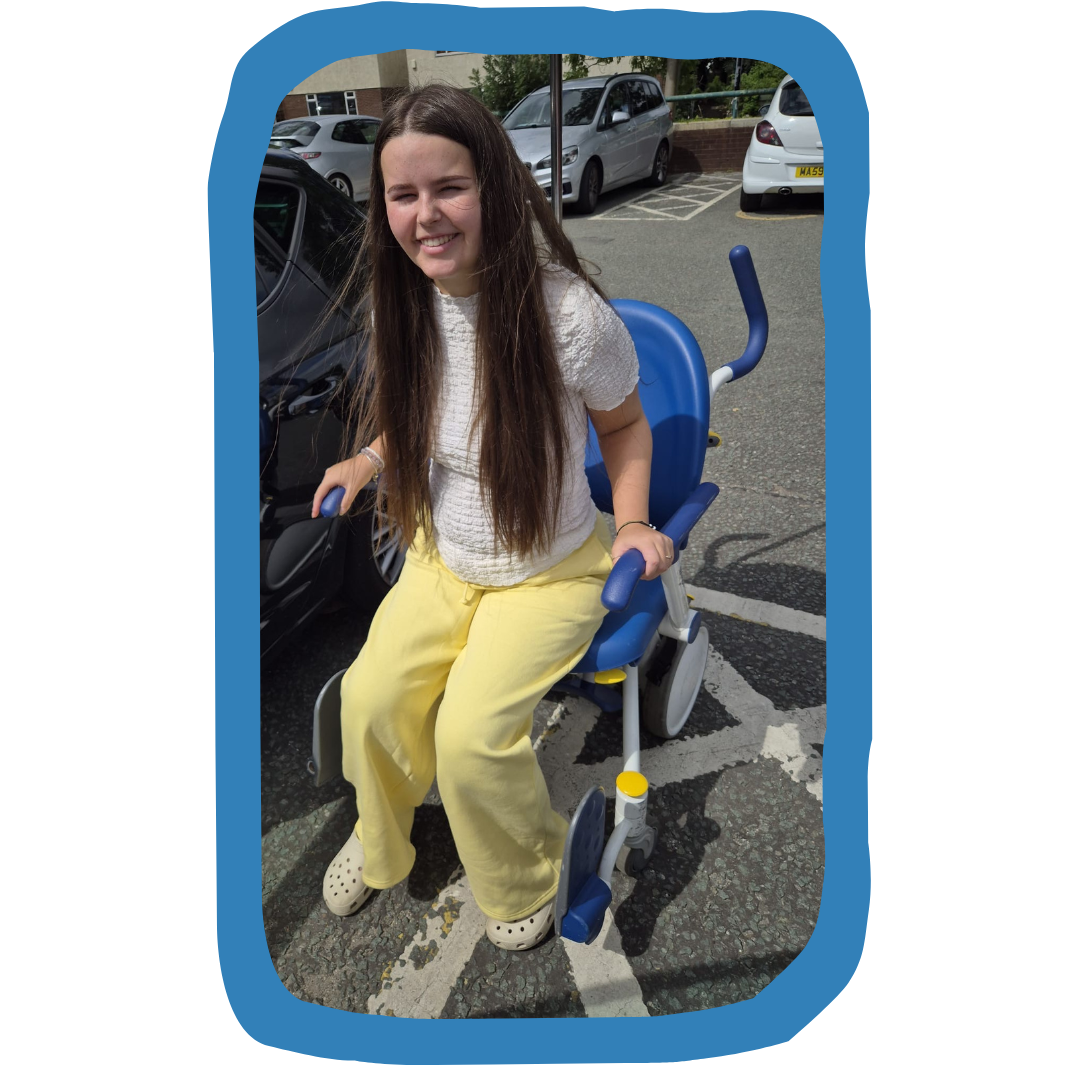
Hi, I’m Charley and I have LGMD2A/R1 (Calpainopathy). I was diagnosed when I was 14. I’m now 21 and over the years I’ve gradually had to adapt to muscle wasting. I rely on a stairlift at home, use a cane some days, and a wheelchair for longer days or busier environments.
Calpainopathy is a progressive form of Limb-Girdle Muscular Dystrophy, meaning it primarily affects the muscles around the hips and shoulders. For me, that means everyday tasks like climbing stairs, getting up from a chair, or standing for long periods can be challenging.
I still enjoy being active. I did a bungee jump fundraiser in 2023 and participated in an inclusive 5K with my gym – J7 Community Health Centre.
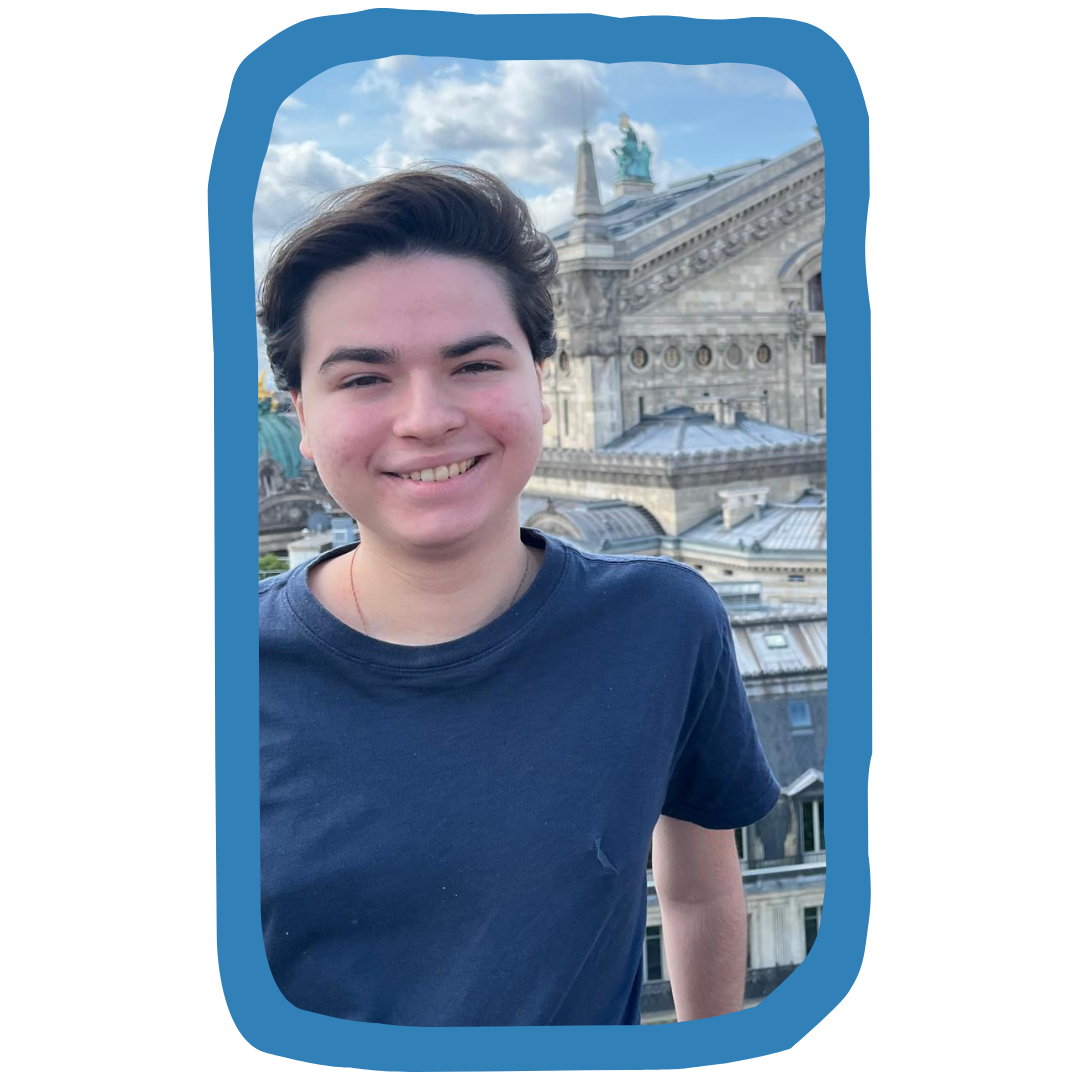
This is my son, Daniel. We live in Brazil. Just before Dani turned 13, we found out he had LGMD2A, a condition we had never heard of. His symptoms were very mild — some difficulty running, bending down, and climbing stairs. A genetic test confirmed the diagnosis.
It was a very challenging time for both of us, full of adjustments, questions, and fear. Dani had to stop doing sports and replaced them with physical therapy and drawing classes. He enjoys reading, watching movies or soccer games, and studying. He is the top student in his class, earning an excellence award at school.
This journey has brought us even closer. Dani’s birth was the happiest day of my life. But today we believe the happiest day is still ahead of us: the day he is cured. One day, while praying, I asked for his cure, and he gently corrected me, saying the prayer should be for all who have the condition, not just for him. Since then, that is what we do every day.
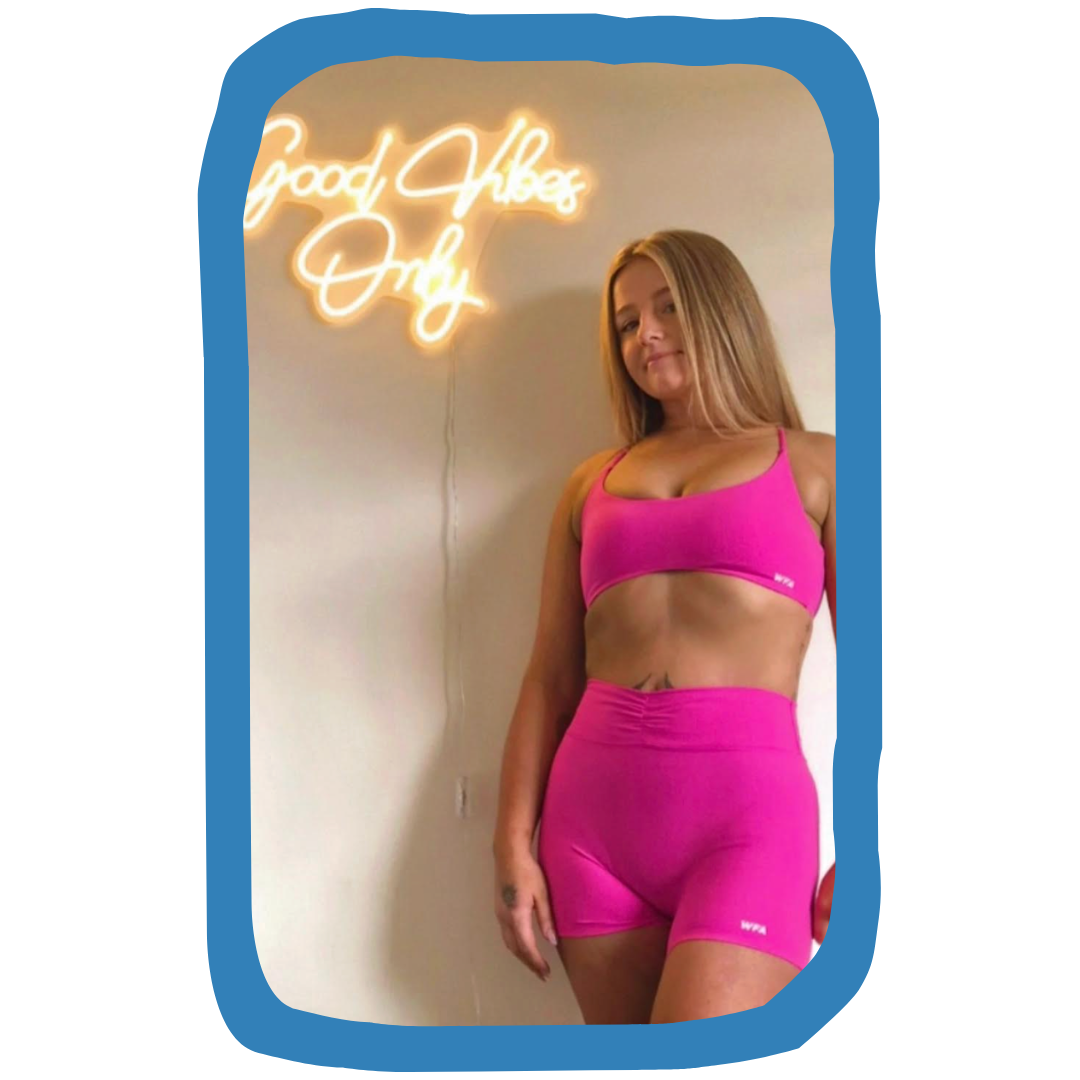
Hey all, I’m Bec. My symptoms began after I had my daughter 20 years ago. Not long after, I realised I couldn’t lift myself from the floor, and things slowly got harder, stairs, hills, even simple movements.
I was a new mum trying to understand my body while being told it was “in my head.” One neurologist even pushed me to climb stairs, and when I couldn’t, it sent me into a really dark place. Deep down, I knew something was truly wrong.
Eventually, I found a neurologist who listened. He suspected muscular dystrophy, and a muscle biopsy confirmed LGMDR1. At first, I spiralled. Then I shifted. I couldn’t control the diagnosis, but I could control my response.
I learned my hips and shoulders would be most affected, so I focused on strengthening them. Gentle, consistent training and a healthy lifestyle helped me slow things down.
Now I’m an LGMD fitness creator on Instagram. I train smart, push within my limits, and show what’s possible. When I was diagnosed, I set a goal to still be walking by 40. I’m 39 now. Still on my feet. Stairs and hills aren’t my friends, but with my walking stick, I’m still moving forward. I would love to find a cure because we all deserve to rise up again.
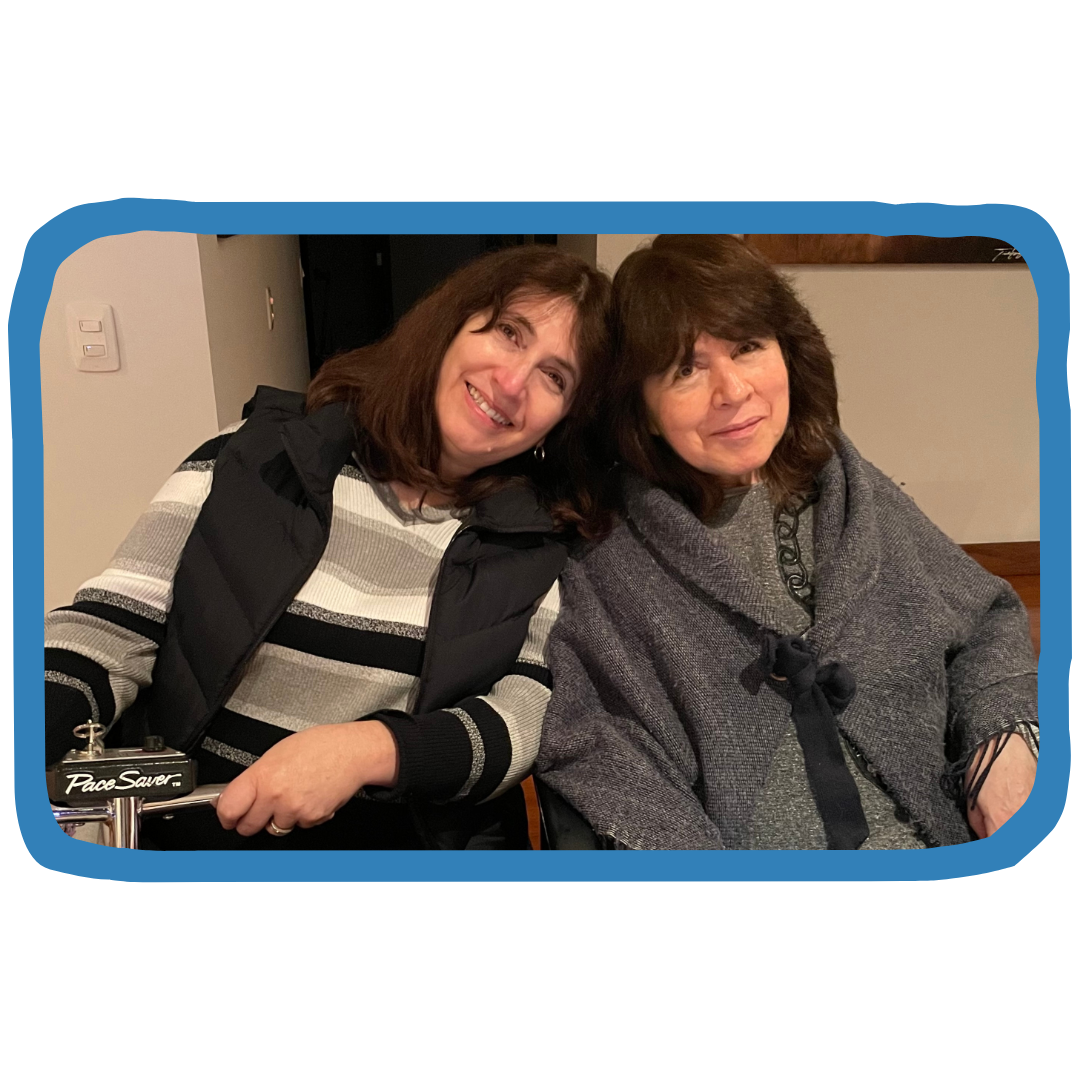
Hello, I am Noni (on the left in our photo). My sister, María, and I have LGMD2A/R1. I was diagnosed when I was 12 years old, my older sister when she was 25. We are now 58 and 65.
We were fortunate to have had good family support and do normal things like going to college, working, traveling and getting married. I stopped being able to walk at age 33 and my sister at 59. We both use a scooter full time. Our arms have also been getting progressively weaker; we can’t drive any longer and need help with most activities of daily living.
A recent femur fracture has made life much worse for my sister. We hope researchers will soon find a cure or treatment. It may not come soon enough to help us, but we hope it can help younger people with LGMD avoid the hardships this disease can bring.